
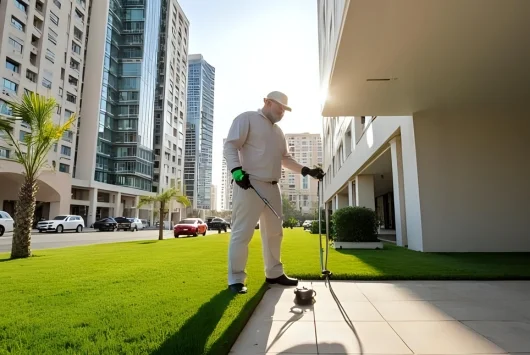

Whole-Area Fogging and ULV Treatments:
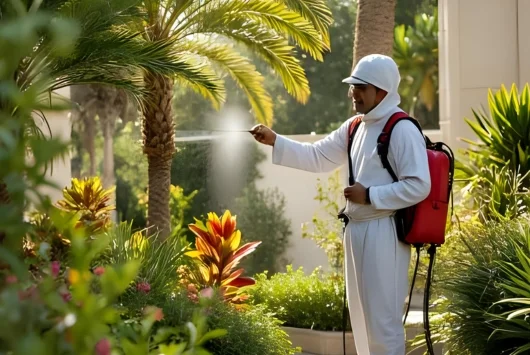
Industrial-grade fogging and ultra-low volume (ULV) applications disperse fine insecticidal mist throughout large indoor or semi-enclosed spaces, targeting adult flies in kitchens, dining areas, warehouses, and common spaces. This method quickly reduces populations, reaching inaccessible corners, ceilings, and vents, while minimizing disruption to operations.
Residual Surface Treatments:
Strategically applied professional-grade insecticides are placed along fly resting and breeding areas such as walls, ceilings, window sills, door frames, waste areas, and drains. We rotate product classes to prevent resistance, ensuring continued effectiveness for weeks. Flies contacting treated surfaces are eliminated, preventing population recovery between treatments.
Targeted Larvicide Applications:
Fly larvae in drains, grease traps, or moist organic matter are treated with larvicides to interrupt the life cycle and prevent new adult populations from emerging. Follow-up inspections ensure larval stages are eradicated before reinfestation can occur.
Traps and Mechanical Control:
Sticky traps, UV light traps, and bait stations are deployed strategically in high-activity zones to capture adult flies, monitor population levels, and provide ongoing control in sensitive areas such as food service facilities.
Dust and Crevice Treatments:
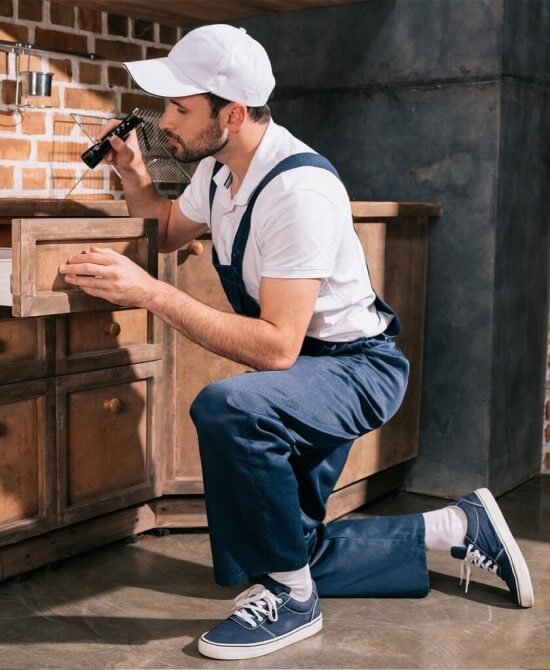
Insecticidal dusts are applied to wall voids, roof spaces, electrical conduits, and other hidden fly harborage areas where liquids cannot penetrate. Dry dust remains effective for extended periods, providing long-term suppression of fly activity.
Environmental Exclusion and Sanitation Measures:
Structural and operational adjustments, including sealing entry points, improving waste management, and maintaining clean food preparation and storage areas, complement chemical and mechanical treatments. Together, these measures create an inhospitable environment for flies, preventing re-infestation and ensuring long-term control.