
Professional Honey Bee Control Dubai | Safe & Humane Removal Across UAE
Honey bees can be a serious safety concern if nests form near homes, offices, or public spaces. At UAE Pest Control, we provide fast, eco-friendly honey bee removal and relocation services that protect people while preserving the bees’ natural role in the environment. Our certified experts safely remove and relocate hives from rooftops, balconies, walls, gardens, and industrial areas, ensuring minimal disruption. Same-day service is available across Dubai, Sharjah, Ajman, and Abu Dhabi, keeping your property safe and bee-free.
✓ Humane removal & relocation
✓ Safe for families, pets, and the environment
✓ Certified experts with years of proven experience
Don’t let honey bee nests threaten safety or property—book your professional bee removal service today!
Dubai’s Honey Bee Challenge: Why Professional Control Is Essential
Honey bee infestations pose serious safety and property risks across Dubai, Sharjah, Ajman, and Abu Dhabi, particularly when nests form near homes, offices, schools, or public areas. While honey bees are vital pollinators, their hives can quickly become hazardous when located in high-traffic zones or on building structures such as rooftops, balconies, AC platforms, walls, and industrial units. Without professional intervention, bee colonies can grow rapidly, creating safety concerns, structural damage, and operational disruptions.
The financial and safety impact of unmanaged honey bee nests can be substantial. Bee stings can pose serious health risks, especially to children, elderly individuals, and those with allergies, potentially resulting in medical emergencies. In addition, hives built on rooftops or structural components can damage building materials, insulate heat in wall cavities, and leave sticky residue, leading to maintenance costs and property deterioration. Commercial properties are particularly vulnerable, as uncontrolled bee activity can affect operations, employee safety, and customer experiences.
Dubai’s warm climate and urban infrastructure provide ideal conditions for honey bee activity throughout the year. Bees are attracted to flowering plants, water sources, and sheltered nesting spaces in man-made structures. High-rise buildings, shaded ledges, terraces, and rooftop equipment offer protected sites for hive establishment. Coastal humidity and year-round warmth encourage colony growth, making early detection and removal critical to prevent rapid population expansion.
Honey bee colonies can expand quickly if left untreated. A single colony may house thousands of bees, producing large hives that spread across wall cavities, roof spaces, or trees. Their activity can block vents, damage insulation, and create sticky residue that compromises surface integrity. Improper handling of hives may provoke aggressive behavior, increasing sting incidents and safety risks. Professional honey bee management ensures safe, humane removal and relocation, protecting both people and property.
New buildings and recently renovated structures face immediate risks if preventive measures are not in place. Open beams, roof ledges, and unfinished terraces are attractive for early colony establishment. Once bees settle, removal becomes more complex, time-consuming, and costly. Installing preventive deterrents and maintaining vigilance during early stages of construction significantly reduces the chance of hive formation and the risks associated with aggressive bee behavior.
Existing properties require continuous monitoring and professional interventions to manage honey bee activity. Nests can appear in roof voids, wall cavities, or trees near property lines. Regular inspections and safe removal of hives, combined with relocation to natural environments, prevent future infestations and protect occupants. Professional bee control solutions maintain safety without harming the bees, preserve property integrity, and minimize disruption to daily life.
Commercial properties face amplified risks due to scale, foot traffic, and operational requirements. Hotels, schools, offices, warehouses, and factories can experience operational interruptions, customer safety concerns, and liability issues if honey bee colonies remain unmanaged. Certified honey bee pest control services provide humane, eco-friendly, and regulation-compliant solutions that protect employees, visitors, and property while ensuring that bees are safely relocated to appropriate environments.
Comprehensive Honey Bee Pest Control Solutions for Dubai
Our honey bee pest control specialists provide complete protection using safe, humane, and eco-friendly methods designed to manage active hives and prevent future infestations. We address both emergency removal of existing colonies and long-term prevention by safely relocating bees, removing hives from rooftops, balconies, wall cavities, trees, and other property areas, and sealing potential nesting points to discourage return.
This comprehensive strategy not only eliminates immediate safety risks but also protects property from structural damage, sticky residue, and contamination caused by unattended hives. Using certified relocation techniques, protective equipment, and environmentally responsible methods, we ensure bees are preserved while safeguarding people, pets, and property.
With durable tools, experienced technicians, and professionally implemented solutions, we provide long-term service assurance to maintain safety, hygiene, and peace of mind, making your home or commercial property in Dubai, Sharjah, Ajman, and Abu Dhabi completely bee-free and secure.
Residential Honey Bee Control
Our residential honey bee pest control services provide safe, humane, and effective solutions to remove active hives and prevent future infestations. We safely relocate hives from rooftops, balconies, wall cavities, and trees, protecting your home and family from stings while preserving the bees.
For new homes or recently renovated properties, preventive measures such as sealing potential nesting points and monitoring high-risk areas stop bees from establishing colonies. Existing homes with recurring hive issues benefit from targeted interventions, including hive removal, protective barriers, and ongoing monitoring to prevent return.
We also protect sensitive areas such as wooden beams, outdoor furniture, and decorative features from hive buildup and honey residue, ensuring your property remains safe, clean, and structurally sound while maintaining a bee-friendly approach.


Commercial Honey Bee Control Services
Our commercial honey bee pest control services protect offices, hotels, restaurants, warehouses, and industrial facilities from the risks of active hives. We safely remove and relocate honey bee colonies from rooftops, wall cavities, trees, and high-traffic areas, preventing stings, contamination, and structural damage.
For hospitality and retail spaces, our humane interventions ensure guest and customer safety while minimizing disruption to daily operations. In warehouses and industrial facilities, we secure high-risk zones and prevent hive formation near machinery, storage areas, and ventilation systems.
Regular inspections and preventive measures, including sealing potential nesting points, ensure long-term protection, maintain hygiene standards, and allow businesses to operate safely while preserving honey bees through eco-friendly relocation practices.
Specialized Honey Bee Control Programs
Our specialized honey bee control programs are designed to meet the unique needs of residential and commercial properties. Pre-inspection surveys identify active hives, nesting locations, hive size, and potential risks, allowing property owners to plan safe and effective removal or relocation.
Annual monitoring programs provide ongoing protection by checking for early hive formation, ensuring preventive measures remain effective, and addressing any new bee activity promptly.
For urgent infestations, we offer emergency honey bee removal with rapid, humane relocation to protect people and property while preserving the bees.
We also provide targeted care for sensitive areas such as outdoor furniture, signage, and wooden structures affected by hives or honey residue, helping maintain cleanliness, prevent structural damage, and preserve valuable property assets.

Understanding Honey Bee Biology and Behavior in Dubai
What types of honey bees are commonly found in Dubai, and why are they a concern?
The most common honey bee species in Dubai are Apis mellifera (Western honey bee) and local wild strains adapted to the UAE’s climate. These bees are essential pollinators but can become a concern when they establish hives near human activity. Colonies can grow to thousands of individuals, creating large nests on rooftops, balconies, wall cavities, trees, and industrial structures. When hives are located near residential or commercial spaces, they pose risks of stings, allergic reactions, and structural damage from hive buildup and honey residue. Understanding their nesting habits is critical for safe and effective management.
Why do honey bees choose certain properties or structures to build hives?
Honey bees seek sheltered locations that protect the colony from extreme heat, rain, and predators. They are attracted to elevated ledges, roof voids, wall cavities, trees, and shaded areas that provide stability for comb construction. Availability of nearby nectar, flowering plants, and water sources also influences hive placement. Urban and suburban properties often inadvertently provide ideal nesting conditions, with undisturbed areas, architectural crevices, and accessible greenery. Once bees establish a site, the colony can expand rapidly, making early detection and intervention essential to prevent safety hazards and property damage.
How quickly can honey bee colonies grow, and what risks do they pose to humans and property?
A honey bee colony can grow rapidly, producing thousands of worker bees and multiple combs within a single season. A mature hive can occupy large roof voids, wall cavities, or tree branches, creating structural stress and potential water damage from honey seepage. For humans, bee stings can cause pain, swelling, and severe allergic reactions in sensitive individuals. In commercial properties, hives near entrances, walkways, or food storage areas can create health and safety issues, disrupt operations, and pose legal liabilities. Professional management ensures colonies are safely removed or relocated while minimizing risks to both people and property.
Modern Honey Bee Control Methods & Technology
Professional Honey Bee Inspection and Detection
Effective honey bee pest control begins with comprehensive inspections conducted by certified specialists using advanced detection techniques. Our experts carefully examine all high-risk areas, including rooftops, wall cavities, trees, balconies, AC platforms, attics, roof voids, and other locations where bees commonly establish hives. Areas such as shaded ledges, structural crevices, and open voids are closely assessed to identify active colonies, potential nesting sites, and early signs of hive formation.
We use specialized tools to ensure precise detection and assessment. Binoculars and cameras help locate hives in hard-to-reach spots, while drones provide aerial views of rooftops and large properties. Thermal imaging can identify active colonies hidden inside walls or voids, and visual monitoring detects early indicators like honey residue, wax buildup, and bee flight patterns without disturbing the property.
Detailed inspection reports document all findings with photographs, indicate the size and location of hives, assess the potential risk to people and property, and outline preventive measures. Each report includes customized treatment recommendations, relocation or removal strategies, and estimates for safe, humane hive management, giving property owners a clear plan for long-term, effective honey bee control.
Professional Honey Bee Treatment Techniques
Humane Hive Removal and Relocation: The most effective honey bee control involves safely removing and relocating hives from rooftops, wall cavities, attics, trees, and other nesting sites. Our specialists handle colonies carefully, protecting both people and bees while preventing property damage.
Targeted Exclusion and Prevention: Entry points, gaps, and high-risk areas are sealed using mesh, caulking, and other barriers to stop bees from establishing new hives. This prevents re-infestation and protects structural integrity without harming the bees.
Attraction and Habitat Management: We reduce factors that attract bees, such as exposed food sources, flowering plants near high-traffic areas, and standing water. These eco-friendly strategies discourage bees from returning without using harmful chemicals.
Surface and Structure Protection: Sensitive areas like wooden beams, pergolas, furniture, signage, and decorative elements are safeguarded from honey, wax buildup, and structural damage. Preventive treatments maintain aesthetics and long-term property durability.
Preventive Measures for New Properties: For newly constructed or renovated buildings, early preventive interventions—such as sealing potential nesting points and monitoring exposed structures—stop bees from settling, providing long-term, maintenance-free protection for homes and commercial properties.
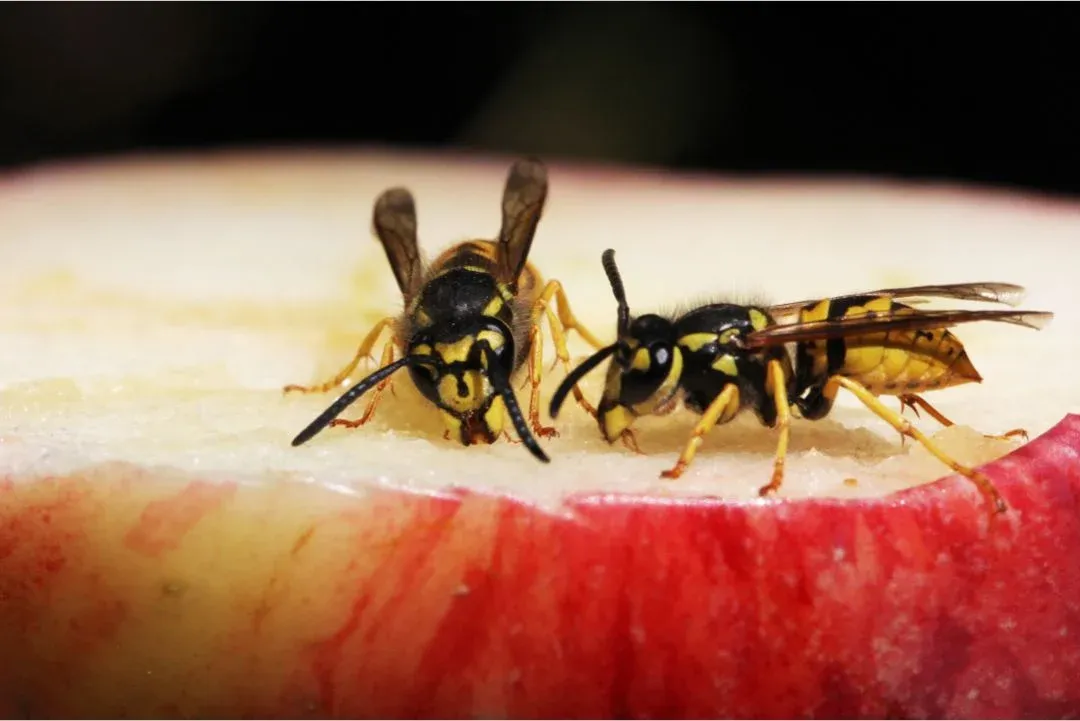

Integrated Honey Bee Management
Integrated honey bee management combines multiple safe and humane strategies for effective colony control and long-term property protection. Our programs include professional hive removal and relocation from rooftops, wall cavities, attics, trees, and other nesting sites, sealing potential entry points to prevent re-infestation, and habitat management to minimize attractants such as nearby flowering plants or water sources.
Regular inspections detect early signs of hive formation before colonies expand, allowing timely intervention. Continuous monitoring and follow-up treatments ensure long-term safety for people and property, while preserving the bees. Detailed documentation of all inspections, hive removals, and preventive measures provides property owners with a clear record of effective honey bee management and ongoing protection.
Why UAE Pest Control is Dubai's Trusted Honey Bee Control Provider
What makes UAE Pest Control a reliable choice for honey bee management in Dubai?
UAE Pest Control is trusted for its certified specialists, advanced humane removal techniques, and eco-friendly approach to honey bee control. We prioritize the safety of both property occupants and the bees, ensuring that hives are removed and relocated without harm. Our team has years of experience handling residential, commercial, and industrial properties across Dubai, Sharjah, Ajman, and Abu Dhabi, providing tailored solutions for every scenario, from emergency infestations to preventive measures for new constructions.
Which areas and property types does UAE Pest Control serve for honey bee management?
We provide comprehensive honey bee control services across Dubai, Sharjah, Ajman, and Abu Dhabi. Our services cover homes, villas, offices, hotels, schools, warehouses, and industrial facilities. Whether it’s a rooftop hive, wall cavity nest, or tree-based colony, our experts assess the property, determine the safest removal method, and implement long-term preventive measures to ensure bees do not return.
Are honey bee removal methods safe for families, pets, and the environment?
Yes. We use completely humane and environmentally responsible methods to remove and relocate hives. No harmful chemicals are used in most cases, and our relocation techniques allow bees to continue their vital role in pollination. Protective gear and safety protocols ensure that families, pets, and workers remain safe during every stage of the process, making our services suitable for residential areas, schools, and public facilities.
Can UAE Pest Control prevent future honey bee infestations?
Absolutely. Our integrated honey bee management programs combine hive removal with preventive measures, including sealing potential nesting points, monitoring high-risk areas, and reducing attractants like flowering plants or water sources near buildings. Regular inspections and follow-up treatments ensure early detection and prevention, minimizing the risk of bees returning and maintaining long-term protection for your property.
How quickly can UAE Pest Control respond to emergency honey bee infestations?
We offer fast-response services for urgent honey bee infestations, including active hives posing safety risks or causing property damage. Our specialists conduct immediate assessments, safely remove or relocate the colony, and implement temporary or permanent preventive measures. This rapid intervention ensures the safety of residents, employees, and visitors while restoring normal operations for both residential and commercial properties.
Essential Honey Bee Prevention for Dubai Properties
Moisture Control
Honey bee prevention starts with minimizing environmental conditions that attract colonies. Repair roof leaks, fix dripping air conditioning units, eliminate standing water near rooftops, balconies, or trees, and maintain gutters and drainage systems. Reducing moisture and water sources makes areas less appealing for hive formation and discourages bees from establishing nests near your property.
Landscape Management
Proper landscaping helps prevent honey bee activity. Trim trees and shrubs away from roofs, walls, and AC platforms to reduce access points and nesting opportunities. Remove fallen branches, debris, and unused structures that could serve as hive foundations. Avoid planting dense flowering vegetation immediately near high-traffic areas or open structures where bees may settle.
Structural Maintenance
Regular property maintenance reduces potential nesting sites. Seal gaps, cracks, and openings in walls, roof voids, attics, and vents; repair damaged wood or masonry; and inspect exposed beams and ledges. Well-maintained structures leave fewer safe zones for bees to build hives, protecting your property from honey buildup, wax deposits, and structural damage.
Regular Inspections
Routine professional inspections detect early signs of honey bee activity before colonies grow. Scheduled checks of rooftops, wall cavities, trees near structures, and other high-risk areas identify hives, honey residue, or nesting behavior early. Timely intervention allows safe removal or relocation, prevents structural damage, and ensures long-term protection for your home or commercial property.
Safety and Risk Management for Honey Bee Control
Honey Bee Control Safety
Modern honey bee control methods prioritize safety for people, pets, and the environment while effectively managing infestations. Humane hive removal and relocation techniques ensure that bees are preserved rather than harmed, reducing risks associated with stings or colony disturbance.
All interventions are carried out by trained professionals following strict safety protocols. Protective gear and careful handling during hive removal or relocation safeguard residents, workers, and property. Hive management is conducted in rooftops, wall cavities, attics, trees, and other high-risk areas to minimize exposure while maintaining normal access to the property.
Supplementary measures, such as sealing potential nesting points, reducing attractants, and habitat management, are implemented safely to protect children, pets, and surrounding ecosystems. These combined strategies provide long-term honey bee control while maintaining a safe and healthy environment.
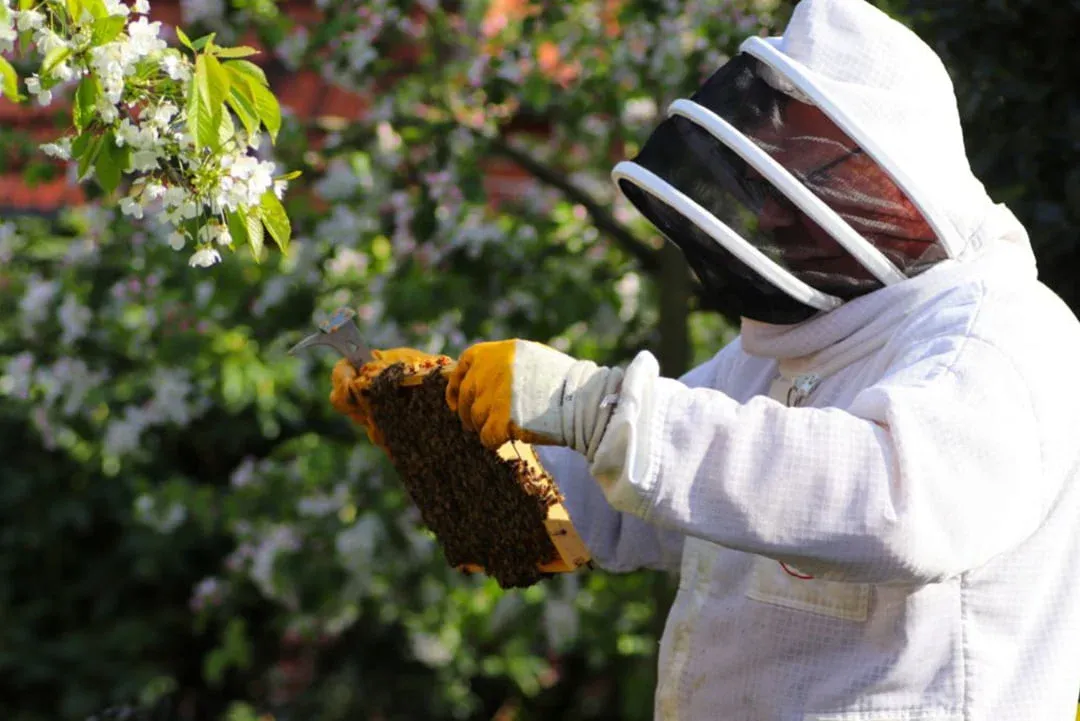

Honey Bee Treatment Safety Protocols
During honey bee control services, we follow strict safety protocols to protect residents, workers, and property. All hive removal or relocation areas are carefully assessed, and access to high-risk zones is restricted while work is in progress. Our specialists provide guidance on safety measures, follow manufacturer and regulatory instructions, and ensure proper handling of all equipment and protective gear.
For intensive interventions, such as large hive removals from rooftops, attics, wall cavities, or trees, we take extra precautions to minimize the risk of bee stings and property damage. Protective equipment, safe handling techniques, and controlled removal methods ensure both people and bees remain unharmed. Professional cleaning and inspection of affected areas are carried out after hive removal to ensure safety, hygiene, and readiness for reentry. By adhering to these safety protocols, we deliver effective, humane honey bee control while maintaining a secure and healthy environment for residents, employees, and visitors.
Risks of Honey Bee Exposure
Even though honey bees are generally non-aggressive when undisturbed, heavy or prolonged exposure to nearby hives can pose serious health and safety risks. People may experience bee stings, which can cause pain, swelling, redness, and in severe cases, life-threatening allergic reactions (anaphylaxis). Bee stings near the face, neck, or sensitive areas are particularly dangerous and require immediate medical attention.
Children, elderly individuals, and those with allergies or weakened immune systems are especially vulnerable to bee stings. Additionally, large or poorly managed hives on rooftops, wall cavities, or trees can lead to structural damage, honey seepage, and sticky residue buildup, increasing property maintenance issues and risk of falls or accidents from slipping on honey or wax. Prompt professional hive removal and safe relocation are essential to prevent health risks, protect residents, and maintain property safety.

What to Expect: Our Complete Honey Bee Control Process
Initial Consultation and Inspection Booking
Your honey bee control process begins with a detailed consultation over the phone to discuss your property type, building structure, previous bee activity, and any current hive concerns. We then schedule a comprehensive on-site inspection at a convenient time and provide preliminary guidance on reducing factors that attract bees and potential nesting opportunities around your property.
Comprehensive Honey Bee Inspection
Certified honey bee specialists conduct thorough property evaluations, typically taking 1–2 hours depending on property size and complexity. The inspection covers all high-risk areas including rooftops, attics, wall cavities, balconies, trees, and other structural components. Shaded ledges, voids, and open structures are carefully assessed, and any visible hives, honey residue, or wax buildup is documented.
Advanced tools such as binoculars, cameras, drones for aerial assessment, and thermal imaging help detect early hive formation even in hard-to-reach areas. Detailed inspection reports include photographs, hive locations, bee species, severity of infestation, potential structural or property damage, conditions attracting bees, and customized treatment or relocation recommendations with cost estimates and warranty information. For pre-purchase or property handover inspections, our reports provide thorough assessments to guide informed decisions.
Treatment Planning and Preparation
Based on inspection findings, we create a customized honey bee control plan outlining recommended removal or relocation approaches, safety protocols, timelines, and warranty coverage.
Pre-treatment preparation depends on the type of intervention. Hive removal from rooftops, attics, wall cavities, or trees may require clearing the area, temporarily relocating occupants or pets, and ensuring safe access to high-risk zones. Additional steps include trimming nearby vegetation, securing food or water sources, and protecting sensitive structures to maximize effectiveness.
Treatment Day Procedures
Hive Removal and Relocation: Our team arrives with specialized equipment for safe hive removal. Hives are carefully detached from nesting sites and relocated to safe environments without harming the bees.
Targeted Exclusion Measures: After hive removal, entry points, wall gaps, and high-risk areas are sealed using mesh, caulking, or other barriers to prevent re-infestation. Sensitive structures, outdoor furniture, and decorative elements are protected from honey or wax residue.
Large or Complex Sites: For commercial rooftops, industrial facilities, or multi-story properties, temporary scaffolding and safety measures are employed to access hives safely. Detailed documentation, including photos and diagrams of hive locations and interventions, is maintained for future reference.
Post-Treatment Care and Monitoring
After hive removal, property owners receive guidance on maintaining exclusion measures, monitoring for early signs of bee activity, and keeping surrounding areas free from attractants. Follow-up inspections verify that bees do not return, check the integrity of sealed entry points, and ensure ongoing protection.
For larger properties or commercial facilities, periodic monitoring is scheduled to ensure sustained prevention. Adjustments or repairs to exclusion measures are carried out promptly as needed.
Documentation provided includes detailed inspection and treatment records, materials used, relocation details, warranty certificates, maintenance instructions, and emergency contact information for urgent bee activity.
Follow-Up Inspections
Routine follow-up inspections are included in most honey bee control programs. These verify that relocated hives remain removed, exclusion measures are intact, and high-risk areas are protected. Regular inspections ensure long-term effectiveness, early detection of any new activity, and maintenance of property safety, cleanliness, and structural integrity.