
Professional Fly Control Service Dubai | 24/7 Emergency Fly Management Across UAE

Flies invading your home, office, or restaurant? At UAE Pest Control, we provide comprehensive fly control solutions using advanced traps, sprays, and environmentally safe treatments proven to eliminate flies quickly and prevent re-infestation. With same-day emergency service across Dubai, Ajman, and Sharjah, our certified specialists protect your property while maintaining hygiene and comfort.

✓ Fast and effective fly elimination guaranteed
✓ Safe, eco-friendly treatment methods
✓ Discreet and professional service

Don’t let flies disrupt your home or business—book your professional fly control service today!

Dubai’s Growing Fly Problem: Why Professional Control is Essential

Fly infestations in Dubai have become increasingly common, affecting homes, restaurants, offices, and commercial establishments alike. The city’s warm climate, high humidity, and constant urban activity provide ideal conditions for flies to breed and thrive year-round. With Dubai’s position as a global travel and trade hub, food establishments, markets, and residential communities are constantly at risk of fly introduction and proliferation. Unlike some pests that require poor sanitation, flies can exploit even well-maintained properties, making professional control essential to prevent health hazards and maintain comfort.

Restaurants, cafes, and hotels face elevated fly risks due to outdoor dining areas, open kitchens, and high foot traffic. Residential properties with uncovered waste, standing water, or fruit-bearing plants are also vulnerable. Without regular monitoring and rapid intervention, fly populations can multiply quickly, leading to hygiene issues, food contamination, and potential regulatory violations.

Beyond physical nuisance, fly infestations can impact mental well-being and business reputation. Constant buzzing, visible flies on food or surfaces, and fear of contamination create stress, anxiety, and embarrassment for residents and staff. Professional fly control provides effective eradication, ongoing prevention, and peace of mind, ensuring a safe, hygienic, and comfortable environment for both homes and commercial properties.

Comprehensive Fly Control Solutions for Dubai

Our expert team specializes in complete fly management using integrated treatment approaches that combine advanced traps, targeted sprays, and environmental monitoring to eliminate infestations effectively. We understand fly behavior, breeding patterns, and seasonal activity, allowing us to design customized control plans tailored to each property—whether residential, commercial, or industrial.

Residential Fly Pest Control

Indoor Fly Treatment:
Comprehensive treatments targeting all stages of fly activity, including adult flies and larvae. We treat kitchens, living rooms, dining areas, garbage zones, and other fly-prone spaces using targeted sprays, baits, and traps to eliminate existing populations effectively.

Apartment and Villa Services:
Full-property fly control for homes of all sizes, addressing every room and entry point. Multi-unit coordination is available for apartment buildings or shared residences to prevent flies moving between neighboring units and ensure long-term control.

Furniture and Belonging Management:
Specialized protocols for treating indoor furnishings, upholstery, trash bins, and other high-risk items without causing damage. We use safe, non-toxic treatments where necessary to protect household items while effectively controlling flies.

Preventive Monitoring Systems:
Installation of fly traps, sticky boards, and monitoring devices post-treatment provides early detection of any reintroduction. These systems help identify and manage potential infestations before populations establish, keeping your home clean and fly-free.

Hotel and Hospitality Fly Control

Room and Facility Treatment Protocols:
Rapid-response fly control treatments designed to allow guest rooms, dining areas, and common spaces to return to full service quickly. We use safe, effective, and discreet methods that maintain guest comfort and protect property reputation.

Preventive Inspection Programs:
Regular monitoring of high-risk areas such as kitchens, restaurants, balconies, and trash disposal zones helps detect fly activity early, preventing infestations before they become a problem. Proactive inspections reduce the need for costly emergency treatments.

Staff Training Services:
Education programs for housekeeping, maintenance, and food service staff teach how to identify fly hotspots, report early signs of infestation, and implement proper sanitation and preventive measures to minimize fly introduction and spread.

Targeted Fly Elimination Solutions:
Advanced traps, baits, and environmentally safe sprays are deployed strategically for whole-room or facility-wide fly elimination. Treatments are designed to be quick, effective, and non-disruptive, ensuring operations continue smoothly while achieving full control of all fly populations.

Commercial Fly Control Servicesv

Furnished Corporate Housing:
Comprehensive fly control programs for serviced apartments, corporate accommodations, and short-term rentals with high occupant turnover. Includes ongoing monitoring, rapid response treatments, and preventive measures to keep properties fly-free.

Healthcare Facilities:
Specialized protocols for hospitals, clinics, and care homes using safe, low-impact treatments that protect patients and staff while ensuring complete fly elimination from kitchens, waste areas, and patient care zones.

Educational Institutions:
Fly management in schools, universities, and student housing, particularly during breaks. Treatments target cafeterias, common areas, and dormitories, minimizing disruption while maintaining hygienic environments for students and staff.

Cinema and Entertainment Venues:
Targeted fly control for theaters, auditoriums, and high-traffic public spaces. Treatments protect guests, maintain operational schedules, and prevent hygiene issues in seating areas, concession zones, and entrances.

Understanding Fly Biology and Behavior

Why do flies keep coming back even after cleaning?

Flies are attracted to food, waste, and moisture, and can breed rapidly in hidden areas such as drains, trash bins, and compost piles. Without professional treatment targeting breeding sites, flies quickly return regardless of cleaning efforts.

Most common house flies live 15–30 days but can lay hundreds of eggs during their lifespan. Warm and humid conditions, like those in Dubai, accelerate breeding cycles, making infestations grow rapidly if left untreated.

Yes. Flies carry bacteria and pathogens from garbage, sewage, and contaminated surfaces onto food and household areas. They can spread illnesses such as food poisoning, diarrhea, and other infections, making timely control critical for health and hygiene.

Advanced Fly Control Methods & Technology

Professional Inspection and Detection
Effective fly management begins with thorough inspections by trained pest control technicians using specialized detection tools. Our experts examine all potential fly breeding and resting areas, including kitchens, waste disposal zones, drains, vents, windows, and outdoor entry points.

We document infestation severity, identify primary fly hotspots, and assess environmental factors contributing to fly activity. Detailed reports outline findings, recommended treatment strategies, and expected timelines for control and prevention.

Advanced detection methods include fly traps, sticky boards, and monitoring devices placed strategically to capture adult flies and track activity patterns. These tools help confirm infestations early, even in areas where visual evidence is minimal, ensuring targeted and effective treatments.

Professional Fly Control Techniques

Whole-Area Fogging and ULV Treatments:
Industrial-grade fogging and ultra-low volume (ULV) applications disperse fine insecticidal mist throughout large indoor or semi-enclosed spaces, targeting adult flies in kitchens, dining areas, warehouses, and common spaces. This method quickly reduces populations, reaching inaccessible corners, ceilings, and vents, while minimizing disruption to operations.

Residual Surface Treatments:
Strategically applied professional-grade insecticides are placed along fly resting and breeding areas such as walls, ceilings, window sills, door frames, waste areas, and drains. We rotate product classes to prevent resistance, ensuring continued effectiveness for weeks. Flies contacting treated surfaces are eliminated, preventing population recovery between treatments.

Targeted Larvicide Applications:
Fly larvae in drains, grease traps, or moist organic matter are treated with larvicides to interrupt the life cycle and prevent new adult populations from emerging. Follow-up inspections ensure larval stages are eradicated before reinfestation can occur.

Traps and Mechanical Control:
Sticky traps, UV light traps, and bait stations are deployed strategically in high-activity zones to capture adult flies, monitor population levels, and provide ongoing control in sensitive areas such as food service facilities.

Dust and Crevice Treatments:
Insecticidal dusts are applied to wall voids, roof spaces, electrical conduits, and other hidden fly harborage areas where liquids cannot penetrate. Dry dust remains effective for extended periods, providing long-term suppression of fly activity.

Environmental Exclusion and Sanitation Measures:
Structural and operational adjustments, including sealing entry points, improving waste management, and maintaining clean food preparation and storage areas, complement chemical and mechanical treatments. Together, these measures create an inhospitable environment for flies, preventing re-infestation and ensuring long-term control.



Eco-Friendly Fly Control Solutions

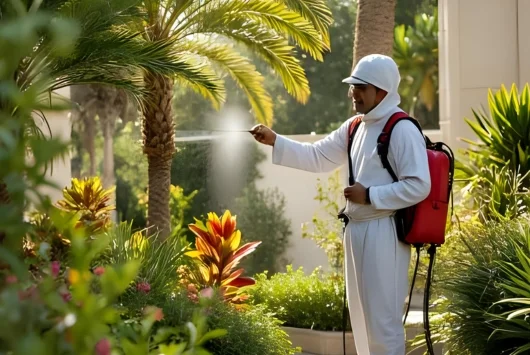
While effective fly control often requires chemical treatments, we offer reduced-risk, eco-friendly options that prioritize safety for people, pets, and the environment. Mechanical traps, fly baits with low-toxicity formulations, and UV light devices provide targeted fly elimination without widespread chemical use.

Natural deterrents and preventive measures, such as sticky boards, exclusion screens, and proper sanitation practices, reduce fly populations while minimizing environmental impact. These solutions are ideal for homes, schools, restaurants, and healthcare facilities where chemical exposure is a concern, ensuring effective control without compromising safety or sustainability.

Why UAE Pest Control is Dubai’s Trusted Fly Control Provider

Common signs include seeing large numbers of adult flies indoors, noticing fly larvae in drains, garbage areas, or compost, and persistent buzzing in food preparation or storage areas. Professional inspections confirm the extent and source of infestations.

Yes. Flies can carry bacteria, viruses, and pathogens, contaminating food and surfaces. They are linked to food poisoning, gastrointestinal infections, and can trigger allergies, making control critical in homes and commercial properties.

DIY sprays often provide only temporary relief and may disperse flies into hidden areas, worsening the problem. Professional fly control targets breeding sites, resting areas, and entry points for long-term elimination.

Absolutely. Licensed technicians use approved, low-toxicity treatments applied in targeted areas. Combined with mechanical traps and preventive measures, these methods are safe for homes, offices, and commercial spaces while effectively eliminating flies.

Treatment duration depends on the property size and infestation severity. Minor infestations can often be controlled within a day, while larger or ongoing problems may require multiple visits and follow-up monitoring to ensure complete control.

Preventive measures include proper waste management, sealing entry points, cleaning drains and food prep areas, and using traps or monitoring devices. Scheduled inspections and professional follow-up treatments help maintain a fly-free environment.

Essential Fly Prevention Tips for Dubai Residents

Travel Precautions
Flies can enter homes or businesses through luggage, deliveries, or transported goods. Minimize risk by inspecting grocery deliveries, packaged foods, and any items brought in from outdoor markets. Keep windows and doors closed during travel or when receiving shipments, and ensure trash bins are tightly sealed.

Inspection of Furniture and Secondhand Items
Before bringing secondhand furniture, appliances, or storage items into your property, inspect them carefully for fly breeding signs such as larvae in cracks, spills, or accumulated organic matter. Clean and sanitize items thoroughly to eliminate eggs or larvae before introduction to living areas.

Home and Property Protection Strategies
Reduce fly harborage and breeding opportunities by maintaining proper sanitation:

Keep kitchens, pantries, and waste disposal areas clean and free of food scraps.

Seal cracks, vents, and gaps around doors, windows, and walls to prevent fly entry.

Store food in airtight containers and manage garbage with secure lids.

Clean drains and compost areas regularly to prevent larval development.

Regular monitoring of high-risk areas, such as kitchens, outdoor dining spaces, and garbage zones, allows early detection of fly activity. Prompt intervention prevents populations from growing, reducing treatment costs and maintaining a hygienic, fly-free environment.

Commercial property managers should implement coordinated fly prevention protocols including staff training, routine inspections, and rapid response procedures. Building-wide preventive strategies ensure isolated control efforts are not undermined by reinfestation from nearby units or shared waste areas.

Health Impacts and Treatment of Fly-Related Issues

Physical Health Effects of Fly Infestations

While flies do not directly bite like bed bugs, they pose significant physical health risks by contaminating food, surfaces, and water sources. Flies carry bacteria, viruses, and pathogens on their bodies and in their saliva, feces, and vomit, which can lead to foodborne illnesses such as salmonella, E. coli infections, and dysentery.

Exposure to high fly populations can trigger allergic reactions, respiratory irritation, and exacerbate asthma symptoms, especially in children, elderly individuals, or people with pre-existing respiratory conditions.

In commercial or residential settings with chronic infestations, persistent contamination and poor sanitation may contribute to gastrointestinal issues, bacterial infections, and general discomfort. Prompt fly control is essential to prevent these health risks and maintain a safe, hygienic environment.


Psychological Impact of Fly Infestations

The mental and emotional effects of fly infestations can be surprisingly significant. Persistent fly presence creates stress, frustration, and anxiety, particularly in homes, restaurants, or workplaces where hygiene is a priority. Constant buzzing, contamination fears, and disrupted daily routines contribute to sleep disturbances, irritability, and reduced concentration.

Fly infestations can also lead to social discomfort or embarrassment, as residents or business owners worry about guests noticing unsanitary conditions. In commercial settings, fear of reputational damage or regulatory issues can increase stress levels for staff and management. Addressing the psychological impact alongside professional fly control ensures peace of mind, restoring comfort and confidence in living and working environments.


Fly-Related Health Care and Prevention

Flies can spread bacteria and pathogens that contaminate food, surfaces, and water, potentially causing gastrointestinal infections, food poisoning, or skin irritations. Proper hygiene and prompt cleaning of contaminated areas are essential to minimize health risks.

Immediate Care and Prevention Measures:

Wash hands thoroughly after handling contaminated food or surfaces.

Clean affected food preparation areas with disinfectants to remove bacterial contamination.

Refrigerate or dispose of exposed food to prevent ingestion of pathogens.

Cover wounds or cuts to prevent secondary infections from contact with flies.

Seek medical attention if you experience:

Gastrointestinal symptoms such as persistent vomiting, diarrhea, or dehydration

Fever, nausea, or other signs of bacterial infection after suspected food contamination

Skin infections or rashes resulting from contact with contaminated surfaces

Severe allergic reactions or respiratory distress triggered by exposure to fly allergens

Maintaining proper sanitation, securing waste disposal, and professional fly control are essential steps to prevent ongoing exposure and protect the health of residents, employees, and guests.


What to Expect: Our Complete Fly Control Process

Fly infestations receive priority attention, starting with a phone consultation that provides immediate guidance while scheduling inspection and treatment appointments. For urgent cases, same-day visits are available, along with temporary relief strategies such as traps and exclusion advice until professional treatments can be applied.

Our certified technicians conduct a thorough inspection of the property, typically lasting 45 to 90 minutes depending on size and infestation severity. During this inspection, we examine kitchens, dining areas, garbage zones, drains, vents, and other high-activity fly resting spots. We also assess outdoor entry points including windows, doors, and waste storage areas, identifying breeding sites such as drains, compost zones, and areas with accumulated organic matter. Technicians document infestation severity, population hotspots, and activity patterns, providing detailed inspection reports with photographic evidence, mapping of affected areas, and customized treatment recommendations with estimated timelines for eradication.

Proper preparation is essential for effective fly control. Residents or staff are advised to remove or cover food items, empty and seal garbage bins, clean surfaces to remove food residues, and clear clutter or high-activity zones to allow full access for treatment. In commercial kitchens or sensitive areas, we provide additional guidance on protecting equipment and maintaining operations during the treatment process.

On treatment day, industrial foggers or ultra-low volume (ULV) sprayers are used to cover entire areas, including ceilings, corners, vents, and hidden resting zones. Residual insecticides are applied to surfaces such as walls, window sills, doors, drains, and garbage zones, providing long-lasting control. Mechanical and environmental methods, including sticky traps, UV light traps, and bait stations, are deployed strategically for ongoing monitoring and population suppression. Technicians document all areas treated, products used, and safety measures while providing detailed post-treatment instructions and answering any questions.

Follow-up inspections are scheduled seven to fourteen days after the initial treatment to evaluate effectiveness and address any remaining fly activity. Monitoring devices and traps help identify persistent hotspots or new fly introductions. For severe infestations, additional treatments are applied to ensure complete elimination. Long-term strategies, including regular monitoring, trap maintenance, and sanitation improvements, help prevent re-infestation.

Hundreds of Dubai homes and businesses rely on UAE Pest Control for safe and effective fly management. Our comprehensive inspection, treatment, follow-up, and preventive approach ensures lasting results and peace of mind, making us one of Dubai’s most trusted fly control providers.

Customer Success Stories

24/7 Ready to take on Pests

More than 75 trained & certified professionals